
Counsel in a Supreme Court discipline case and service on the judicial screening commission
As the Democrat Candidate for Governor and Lt. Governor Alan Wilson each make a case for S.C. Court reform, we offer part two in our series on the race for the S.C. Governor’s office and court reform. Judicial Reform will be front and center as voters head to the polls on November 3, 2026.
South Carolina’s legal system depends on the public’s confidence that attorney discipline is administered fairly, independently, and without special access. That confidence is tested when a lawyer representing a respondent in a Supreme Court disciplinary case simultaneously holds a formal role in the State’s judicial-screening system.
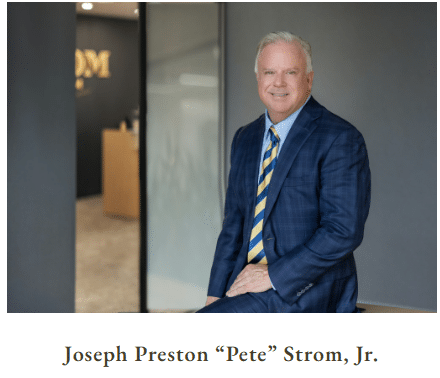
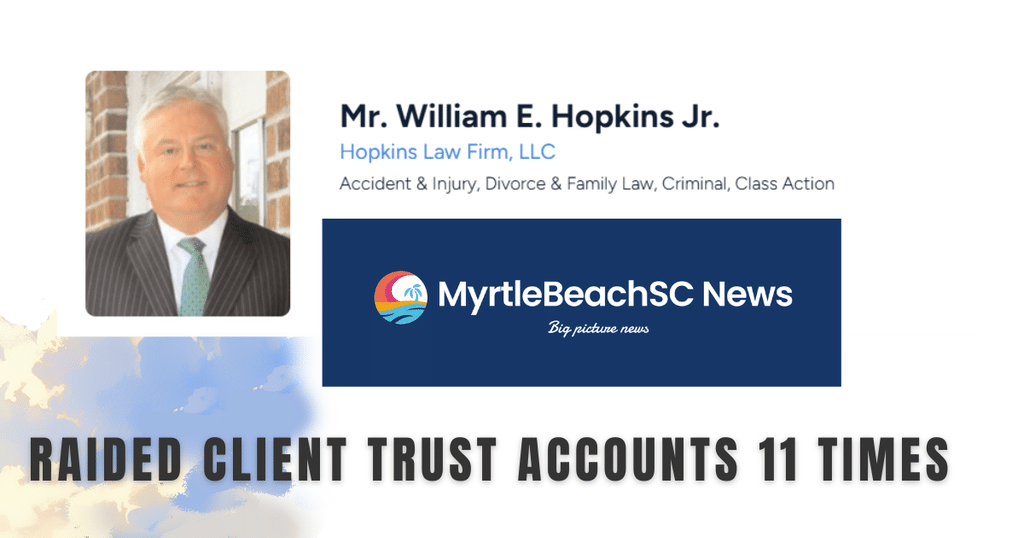
The public record establishes that overlap in: re William E. Hopkins, Jr. The Supreme Court’s 2021 order identifies Joseph Preston Strom, Jr. – known as Pete Strom – as counsel for Hopkins. The same order explains that the Court reheard the disciplinary matter on October 11, 2021 after initially imposing disbarment. Public JMSC materials from August and November 2021 list J. P. Pete Strom Jr. as a member of the Judicial Merit Selection Commission.
This does not prove that Mr. Strom, or any justice, acted improperly. It does not establish bias, favoritism, or an improper outcome. Those are serious allegations that require evidence, and the overlap alone is not that evidence. But it is a fact that reasonable citizens may view as significant, particularly in a proceeding involving a lawyer’s professional license and the Supreme Court’s authority over the bar.
The distinction between formal power and institutional influence also matters. The JMSC did not appoint the justices. It screened judicial candidates and reported qualified nominees to the General Assembly, which elected the justices. That is not a trivial role. Judicial screening is a central part of the system by which South Carolina selects the judges who sit on its highest court.
A lawyer who serves in that screening role can still represent private clients, and public service should not automatically disqualify a lawyer from advocacy. Yet public service carries an additional responsibility: the process must visibly guard against the appearance that institutional relationships might matter in a litigant’s case. The standard is not merely whether the system is fair. It is whether a reasonable member of the public can have confidence that it is fair.
That concern is heightened in attorney-discipline matters. The Supreme Court holds extraordinary authority to suspend or disbar lawyers, and its rulings shape public trust in the profession’s willingness to police itself. When counsel for a disciplined lawyer also holds a seat on the body that screens judicial candidates, the judiciary should welcome transparency rather than dismiss the question.
Transparency does not require a presumption of corruption. It requires clear disclosure where appropriate, rigorous adherence to recusal rules when the facts warrant them, and straightforward public explanations of the respective roles. Such safeguards protect both the courts and the lawyers who appear before them. They prevent speculation from filling the space that openness should occupy.
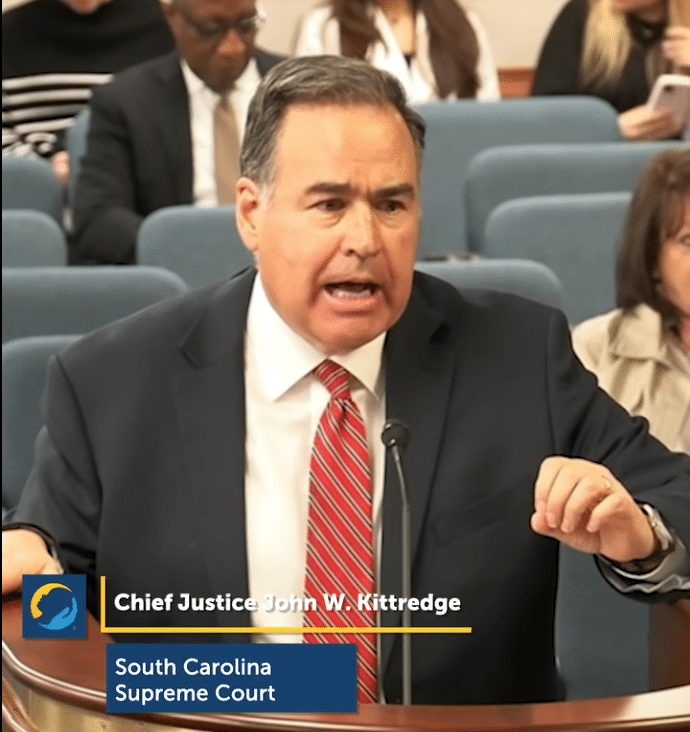
South Carolina should be able to say plainly that no professional relationship or institutional role can affect the treatment a lawyer receives in a disciplinary proceeding. The record here supports asking that question. It does not support declaring an answer without evidence. Public confidence is best served when the legal system meets legitimate scrutiny with facts, transparency, and standards that are visibly applied to everyone.
In re William E. Hopkins, Jr., Appellate Case No. 2021-000261 (S.C. 2021), identifying Strom as counsel and stating the matter was reheard October 11, 2021


